
Witness Examination Rights and Obligations in Criminal Proceedings

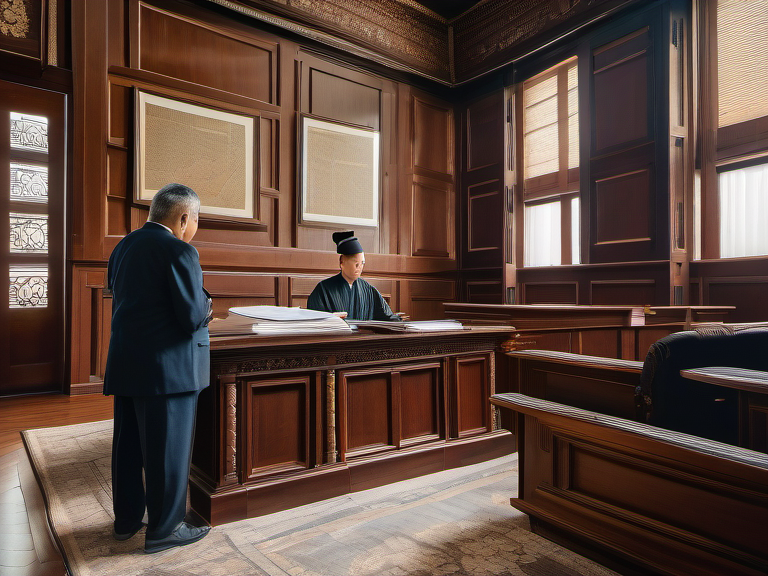
Article 5. The Prosecutor for the Plaintiff filed a charge against Mr. Khao Phong Sa-Phong for attempted murder, having presented an account identifying witnesses, claiming four witnesses. During the consideration of the case while the Plaintiff intended to present four witnesses, a report from the investigating officer indicated that the witness of the fourth mouth could not be summoned. Examination of the fourth witness was attempted due to section 204, the witness changed his address and was not found. The initial court issued an order to investigate the Plaintiff’s witnesses and continue their examination. During the examination of the Defendant’s witnesses, the Plaintiff objected to the court’s request to examine witnesses, citing that the investigating officer found the witness. The initial court issued an order not to permit the examination of the Plaintiff’s witnesses, stating that the witness’s testimony would be prejudicial. The obligation of the Plaintiff to conduct the examination of witnesses had been fulfilled, and the case was in the process of examination.
It was observed that, based on the reasons stated in the court order, whether it was in accordance with legal principles. And what should the Plaintiff do next? According to the Criminal Procedure Code, before admitting a witness to examination, the Plaintiff has the power to open the case so that the court can indict again, and all evidence to be presented to prove the Defendant’s guilt has been completed, and the Plaintiff should admit the witness to examination. After the examination of the Plaintiff’s witnesses, the Defendant has the power to open the case to inform the court of the case, facts, or legal provisions which were intentionally cited, and to present evidence to be examined.
According to the Criminal Procedure Code Section 17, the Plaintiff has the duty to admit witnesses to examination, and then the Defendant may admit witnesses to examination. However, in criminal cases, the Plaintiff’s position is based on admitting witnesses to prove the Defendant’s guilt, so that the court is free from doubt that the Defendant is actually guilty. The examination of witnesses to prove the act of the Defendant is valid. Otherwise, according to the Criminal Procedure Code Section 228, in the case of requesting additional witness examination, the court may examine it itself.
Therefore, the court’s order to reject the Prosecutor’s request to admit witnesses to examination because the Plaintiff’s examination process had been completed, is an order that is not in accordance with the law. This unlawful order and this order during consideration, according to the Criminal Procedure Code, Section 182, which is an order made upon the request of the Prosecutor for the Plaintiff, and is an order that does not cause the case to be closed, the Prosecutor cannot appeal the order, but can appeal the order when the court makes a judgment, by appealing the aforementioned order.
The Plaintiff, , filed a claim for property. The Plaintiff objected to the Defendant’s statement when the time limit expired.