Confession Versus Lack of Witness Testimony in Theft Claim
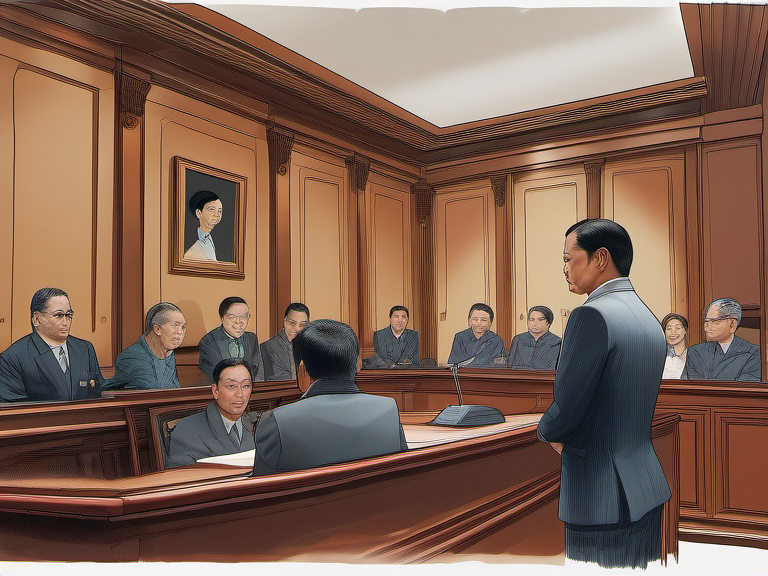
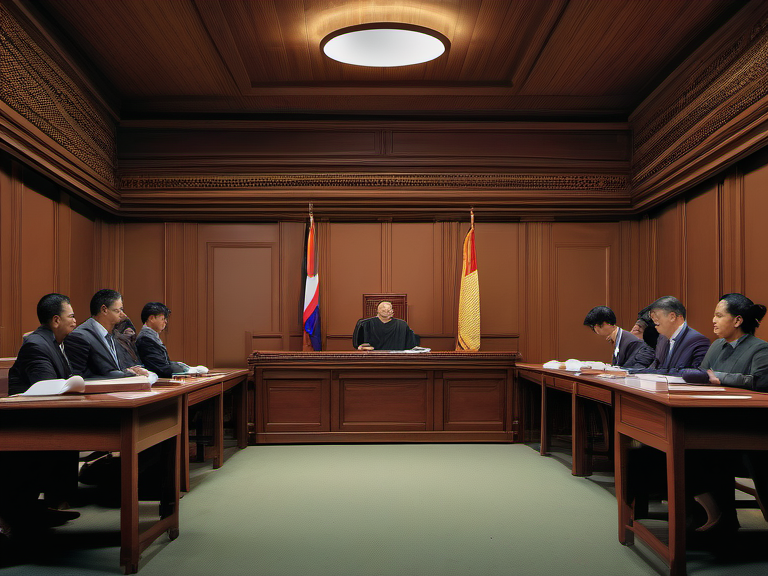
1d. The defendant offered a plea of not guilty before the plaintiff. The plaintiff had no witnesses, namely, Ee-nee, who testified that the defendant committed theft. Besides the defendant’s confession statement in the investigative phase, which the plaintiff cited as evidence presented by the investigating officers, the defendant presented evidence of residence, but when claiming to testify, he answered the plaintiff’s cross-examination stating that he had participated in taking the property of the victim. It is hereby observed that the evidence presented by the plaintiff is sufficient to condemn the defendant, or to what extent, the defendant’s confession statement in the investigative phase is considered credible as evidence accompanying the testimony of the plaintiff in court. When in court, the plaintiff had no witnesses who knew that the defendant committed the aforementioned offense, only the defendant’s testimony in the investigative phase, therefore it was not sufficient to condemn the defendant. The fact that the defendant answered the plaintiff’s cross-examination, stating that it was a fact, the plaintiff presented evidence and could not accept it. Section 540/2504 and 656/2519. Therefore, the evidence presented by the plaintiff is not sufficient to condemn the defendant.
Concerning the Law of Insolvency, the Statutes of the Judiciary, the Law concerning the Establishment of Provincial Courts and Civil Procedure, the Law concerning Prosecutors, and English language business related to the production of automobiles, this amount of money from the Royal Bank.