Joint Assault, Reckless Endangerment, and Resulting Death

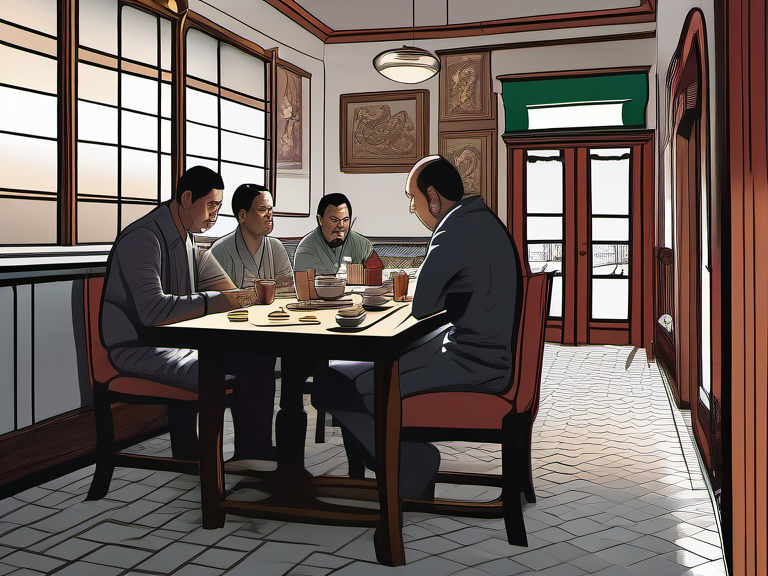
Driven by anger, K. invited C. and D. to assault K. Upon K. encountering K. B., C. and D. informed K. and D. to punch, kick, and assault K. until K. sustained bodily harm, K. B., and the furniture within the restaurant sustained damage. Satisfied, they then intervened to stop C., but refused to cease, causing further assault on K. Therefore, K. died as a result of the assault on K. by K., C., and D. as follows: What types of offenses did K. B. commit? Answer the question. The act of K. B., C., and D. inviting each other to assault D. constitutes a joint intention to commit the offense. Regardless of the extent of the action, each individual is liable according to legal standards. Regarding this offense, according to the Penal Code, K. B. caused harm to K. and K. B. and D. jointly assaulted K. under Section 295 of the Penal Code. However, when K. B. intervened to stop C. and D. from assaulting K., the joint offense of K. B. was terminated, and the death of K. resulted from this continued assault, indicating intent on the part of C. and D. to kill K., making them liable for the offense of jointly killing another person under Section 288 of the Penal Code. K. B. is not liable for this offense. Furthermore, K. B.’s act of directing C. and D. to assault K. in front of the aforementioned restaurant, where the refrigerator, tables, and chairs within the restaurant were clearly visible, potentially causing damage, constitutes an intentional act with a clear understanding of the potential consequences. K. B., C., and D. are liable for jointly causing damage under of the Penal Code.