Negligence Claim Regarding Motor Vehicle Damage and Evidence Order
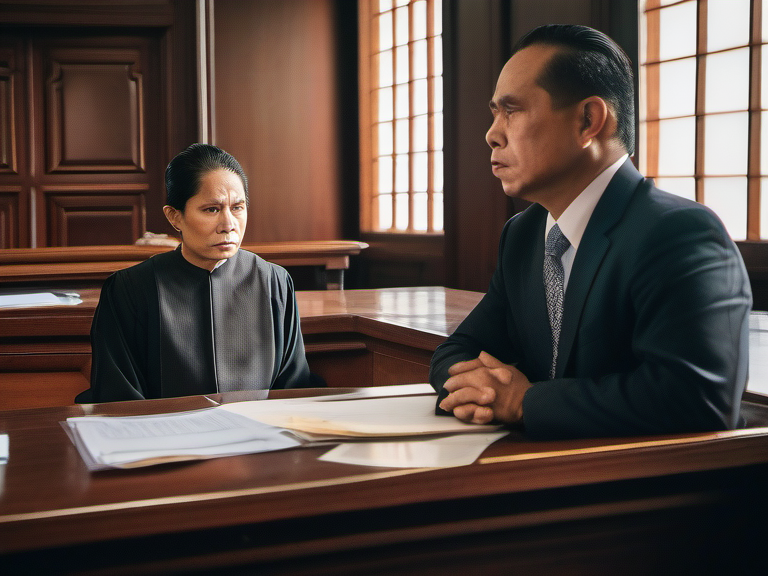
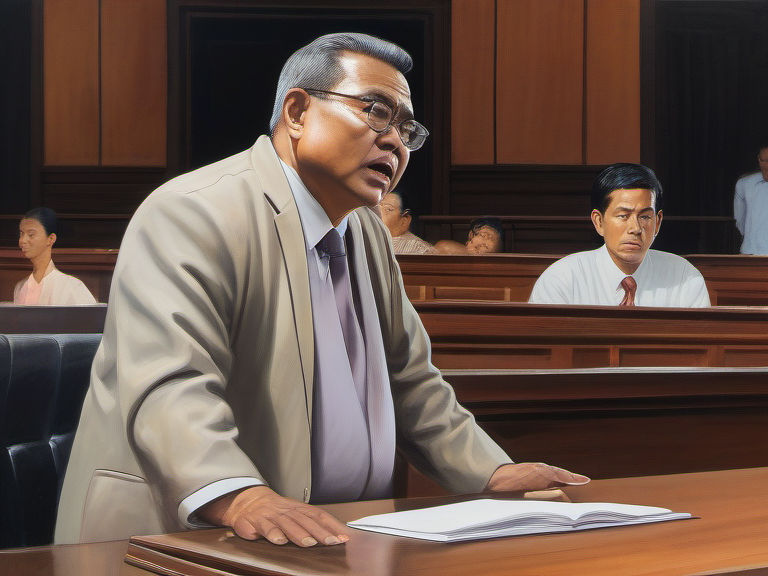
Order 6. The Plaintiff alleges that Defendant 1, who is an employee of Defendant 2, drove a motor vehicle owned by Defendant 2 negligently, colliding with the Plaintiff’s motor vehicle. Defendant 1 caused damage to the Plaintiff’s motor vehicle. The Plaintiff requests that both Defendants jointly pay compensation amounting to 210,000 baht. The Plaintiff and Plaintiff 2 each have the right to sue and demand that the Defendants 1 and 2 pay compensation.
Regarding the first response from the Defendant, the response was received and considered. The response raised issues before the Court as stipulated within the timeframe as per Section (referring to a legal provision). Consequently, there is no right to object to the determination of the burden of proof as stipulated in Section . The central issue in dispute is the first issue, wherein the Defendant denies the loan agreement. Therefore, the Plaintiff has the duty to present evidence on this issue first, and this is a significant issue. Accordingly, the Court must order the Plaintiff to present evidence first, and then allow the Defendant to respond. The second response from the Defendant was not received because the Civil Procedure Code stipulates that the parties must present the original documents in their possession. Civil Procedure Code, Section 183. At the hearing stage, if a party does not object, that party may present evidence in the following (referring to a legal provision).
Facts established that the Plaintiff submitted the original loan agreement to the Court at the hearing stage, simultaneously presenting the account details. There is no law prohibiting the Court from receiving evidence from original documents. Therefore, the Defendant’s objection to this agreement is invalid.
In criminal cases, the Public Prosecutor is the Plaintiff against the Defendant, Mr. Dam.