Breach of Installment Purchase Agreement Liability Determination
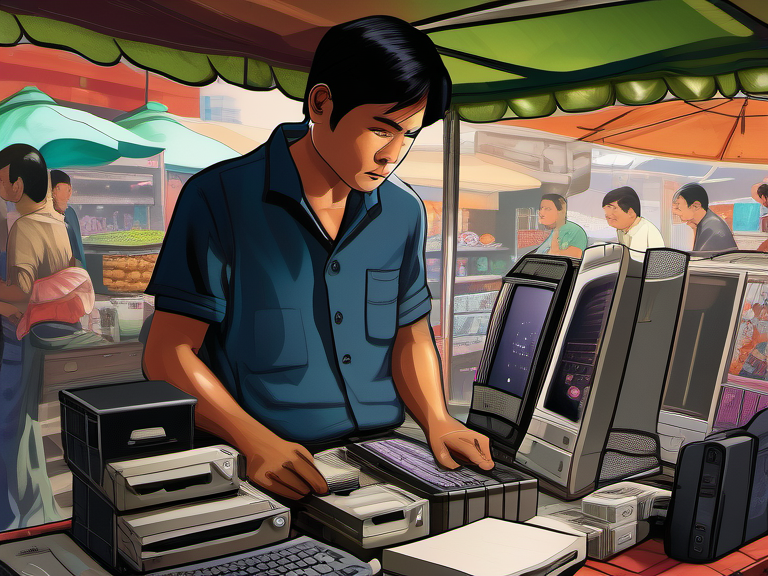

Mr. Chai is an employee of Vio Co., Ltd., working as a computer sales representative. Mr. Chai sold a computer to Mr. Baht, with Mr. Baht making a down payment of 20,000 baht. The remaining amount was to be paid through a installment purchase agreement with Vio Co., Ltd. After Mr. Baht received the computer and was awaiting the installment purchase agreement, Mr. Baht took the computer away without completing the agreement. This action by Mr. Baht constituted a breach of Mr. Chai’s duty to ensure Mr. Baht completed the installment purchase agreement, causing damage to Vio Co., Ltd. Vio Co., Ltd. therefore agreed to compensate for the damage to the extent of the computer’s price, plus any additional funds that could be collected, by entering into a lease agreement in Mr. Baht’s name to purchase the computer sold to Mr. Baht and Vio Co., Ltd. at a price of 130,000 baht, payable in monthly installments of 3,000 baht until fully paid. Mr. Chai ceased paying the installments and refused to continue payments, claiming he was liable for damages, but one year had elapsed since the occurrence of the infringement, rendering the claim statute-barred. Furthermore, the installment purchase agreement, being a conversion of a debt from a tort claim, was unenforceable because Mr. Baht had not received the computer and could not be compelled to pay the installments. The installment purchase agreement was void. Therefore, the court should determine whether Mr. Chai can raise the aforementioned arguments to deny liability for the installment purchase agreement, and whether Vio Co., Ltd. has the right to demand that Mr. Chai continue to pay the installments.
Answer Choices: The fact that Mr. Chai agreed to accept liability for the remaining computer price, by admitting that damages occurred from the delivery of the computer, without arranging for Mr. Baht to complete the installment purchase agreement, constitutes a negligence in the performance of his duties as an employee, constituting a tort, for which he is liable to Vio Co., Ltd. When Vio Co., Ltd. and Mr. Chai agreed to have Mr. Chai execute the installment purchase agreement, this constituted a contract to change the essential nature of the debt, constituting a new debt, according to the Civil and Commercial Code Section 349. Therefore, the debt arising from Mr. Chai’s responsibility, which is the principal debt, was extinguished by this conversion of debt. Mr. Chai cannot argue that he is not liable for the original debt that has become statute-barred. Mr. Chai must be liable under the installment purchase agreement, by holding that the parties have complied with the terms of the renewed agreement, including the case where it is held that the computer has been delivered as the debt. Mr. Baht’s claim that he did not receive the computer and could not be compelled to pay the installments and that the installment purchase agreement was void, is unfounded and cannot be used to deny liability. Therefore, when the conversion of debt has fully taken effect according to law, Vio Co., Ltd. has the right to demand that Mr. Chai continue to pay the installments under the installment purchase agreement.